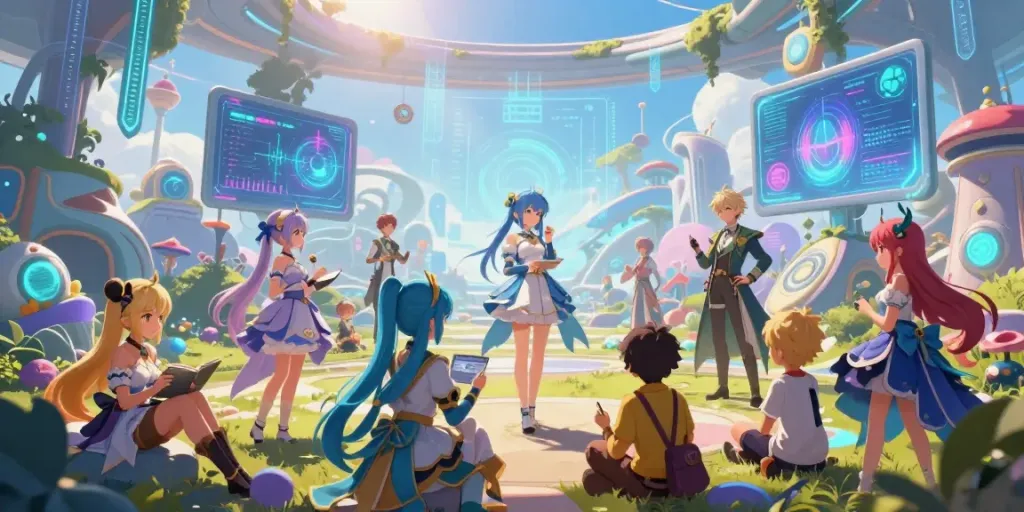
The Evolution of Futa AI Technology
The intersection of artificial intelligence and adult entertainment has sparked innovative developments, particularly in the domain of futa AI. Characterized by its unique portrayal of futanari, or characters with both masculine and feminine traits, this genre has gained traction in recent years. By harnessing advanced AI technologies, creators can design highly realistic characters and immersive experiences that resonate with diverse audiences. As we delve into the evolution of futa AI, we’ll explore its definition, historical context, current innovations, and future potential. When it comes to the latest advancements in the field, futa ai showcases remarkable developments that cater to a range of user preferences.
Understanding Futa AI: What Is It?
Futa AI refers to artificial intelligence systems designed to create and simulate futanari characters. These characters often embody a blend of physical traits traditionally associated with both genders, allowing for a wide spectrum of narratives and interactions. The technology involves algorithms capable of generating images, models, and even dialogue, making the characters feel more alive and relatable to users. This understanding of futa AI is crucial for appreciating its implications in adult content creation and user engagement.
The History and Development of Futa AI
The roots of futa AI can be traced back to the broader genre of futanari, which has origins in anime and manga. Emerging in the late 20th century, it initially captured niche audiences before spreading to online platforms. With the advent of AI technology, developers started exploring how these algorithms could generate content that pushes the boundaries of creativity. Over the years, advancements in machine learning, particularly in generative adversarial networks (GANs), have streamlined character creation processes, ensuring that these AI-generated personas are both visually appealing and contextually relevant.
Current Innovations in AI Character Creation
Today, innovations in futa AI have taken several forms. From customizable character traits to personalized narratives, users can engage with these digital avatars on unique levels. Cutting-edge AI models can analyze user preferences and create scenarios tailored to individual fantasies. Moreover, the incorporation of voice synthesis technology allows for dynamic interactions where users can converse with these characters, enhancing the overall experience. As creators understand user engagement better, they continue to refine their approaches to futa AI, making it more inclusive and diverse.
User Engagement with Futa AI Characters
User interaction is a cornerstone of the futa AI landscape. The appeal of AI-generated characters lies in their ability to provide personalized experiences that feel authentic and engaging. As technology evolves, so too do the methods through which users can interact with their favorite futa characters.
How Users Interact with AI Futa Models
Users today can engage with AI futa models through various platforms, including chatbots, interactive websites, and virtual reality environments. These models use natural language processing (NLP) capabilities to converse in real time, allowing users to have meaningful dialogues with their chosen characters. This level of interaction garners a sense of companionship and emotional investment that traditional media cannot offer.
Gamification and Immersive Experiences
Gamification is another vital aspect of user engagement with futa AI. Many platforms incorporate game-like elements, such as quests, rewards, and challenges, where users can earn points or unlock new features by interacting with characters. These gamified experiences encourage prolonged engagement and foster a sense of community among users who share similar interests. Immersive technologies like augmented reality (AR) are also beginning to play a role, blurring the lines between the digital and the physical worlds.
Community Feedback and Adaptation
Community feedback is crucial in shaping the future of futa AI. Platforms that actively solicit and incorporate user suggestions into their characters and scenarios tend to build a loyal user base. This responsiveness not only enhances the user experience but also contributes to the overall development of futa AI technologies. Developers who prioritize community interaction create a more robust ecosystem where the needs and desires of users shape the growth of AI-generated content.
Ethical Considerations in Futa AI
The integration of futa AI into digital spaces raises essential ethical questions that demand careful consideration. As with any technology that intersects with sexuality, the development and deployment of futa AI must be approached with a framework grounded in responsibility and respect for user rights.
Addressing Representation and Inclusivity
One of the primary ethical challenges involves representation. Futa AI characters must reflect the diversity of the audience, acknowledging various identities, experiences, and preferences. Developers can strive for inclusivity by designing characters that capture a wide range of body types, skin tones, and gender expressions. By prioritizing diversity in AI character creation, the industry can better serve its audience while fostering a more inclusive environment.
Consent and Privacy Issues in AI-generated Content
In the realm of futa AI, consent and privacy are paramount. Users must feel secure when interacting with these characters, which includes being informed about how their data is used. Implementing robust privacy policies and ensuring that users provide consent for data collection and usage are essential steps in building trust within the community. Furthermore, creating content that revolves around mutual consent is critical to ensuring ethical engagement with AI-generated characters.
Legal Framework and Industry Standards
As the futa AI landscape continues to evolve, adhering to legal frameworks and industry standards is crucial. Current laws regarding intellectual property, content moderation, and user protection will play a significant role in shaping the future of AI-generated adult content. Industry organizations may emerge to establish best practices that ensure ethical development and deployment of futa AI technologies, safeguarding both creators and users.
Best Practices for Developing Futa AI
For developers engaged in futa AI creation, understanding best practices is essential to delivering high-quality, user-friendly experiences. By focusing on key elements of character design and incorporating user feedback, developers can create more successful products.
Key Design Principles for AI Characters
Effective design principles are pivotal in fostering an engaging experience with AI characters. These can include aesthetics, personality traits, and narrative continuity. Characters should be visually appealing while also possessing depth, allowing users to connect on an emotional level. Giving AI characters a consistent voice and personality can help maintain user engagement and strengthen the bond between users and their digital counterparts.
Implementing User Feedback into Designs
Incorporating user feedback into character design is a powerful way to ensure the relevance and appeal of AI personas. Surveys, focus groups, and social media interactions can provide valuable insights into user preferences and expectations. By actively listening to the community and adapting designs accordingly, developers can improve user satisfaction and cultivate a loyal following.
Future-Proofing Your Futa AI Development
As technology continues to evolve at a rapid pace, future-proofing futa AI development is imperative. This entails staying ahead of trends, such as adapting to emerging technologies like VR and AR, and considering the implications of artificial intelligence advancements. Developers should also maintain an agile mindset, allowing them to pivot when new opportunities arise in the industry. Continuous education and collaboration with other creators can facilitate growth and innovation in the futa AI landscape.
Future Trends and Predictions for 2026
As we look forward to 2026, several trends and predictions are emerging within the futa AI industry. Understanding these projections can help creators and users alike navigate the evolving landscape of AI-generated content.
Emerging Technologies in Futa AI
Emerging technologies, such as enhanced neural networks and more sophisticated generative models, will continue to shape the development of futa AI. These advancements promise to deliver even more lifelike interactions and richer narratives, providing users with unparalleled experiences. For example, AI that can learn and adapt to user interactions could create dynamic storylines that evolve based on user choices.
Predicted User Demographics and Market Expansion
The user demographics of futa AI are expected to diversify significantly. As acceptance of adult content continues to evolve, new audiences will engage with these technologies, leading to broader market expansion. Developers will need to consider cultural sensitivities and diverse interests to cater to this growing audience effectively.
Potential Challenges and Opportunities Ahead
While the future of futa AI is promising, challenges such as regulation, ethical considerations, and user safety will persist. Navigating these issues will require ongoing dialogue within the industry. However, these challenges also present opportunities for innovation, collaboration, and growth that can lead to the creation of more sophisticated and user-focused platforms.
What Are the Opportunities for Collaboration?
Collaboration will be a key theme in the future of futa AI development. As creators and developers come together, they can share insights and techniques to push the boundaries of what is possible. Partnerships with educational institutions and tech companies may lead to breakthroughs in AI technology, enhancing the user experience even further. By fostering a collaborative environment, the futa AI community can cultivate a rich ecosystem that benefits everyone involved.